











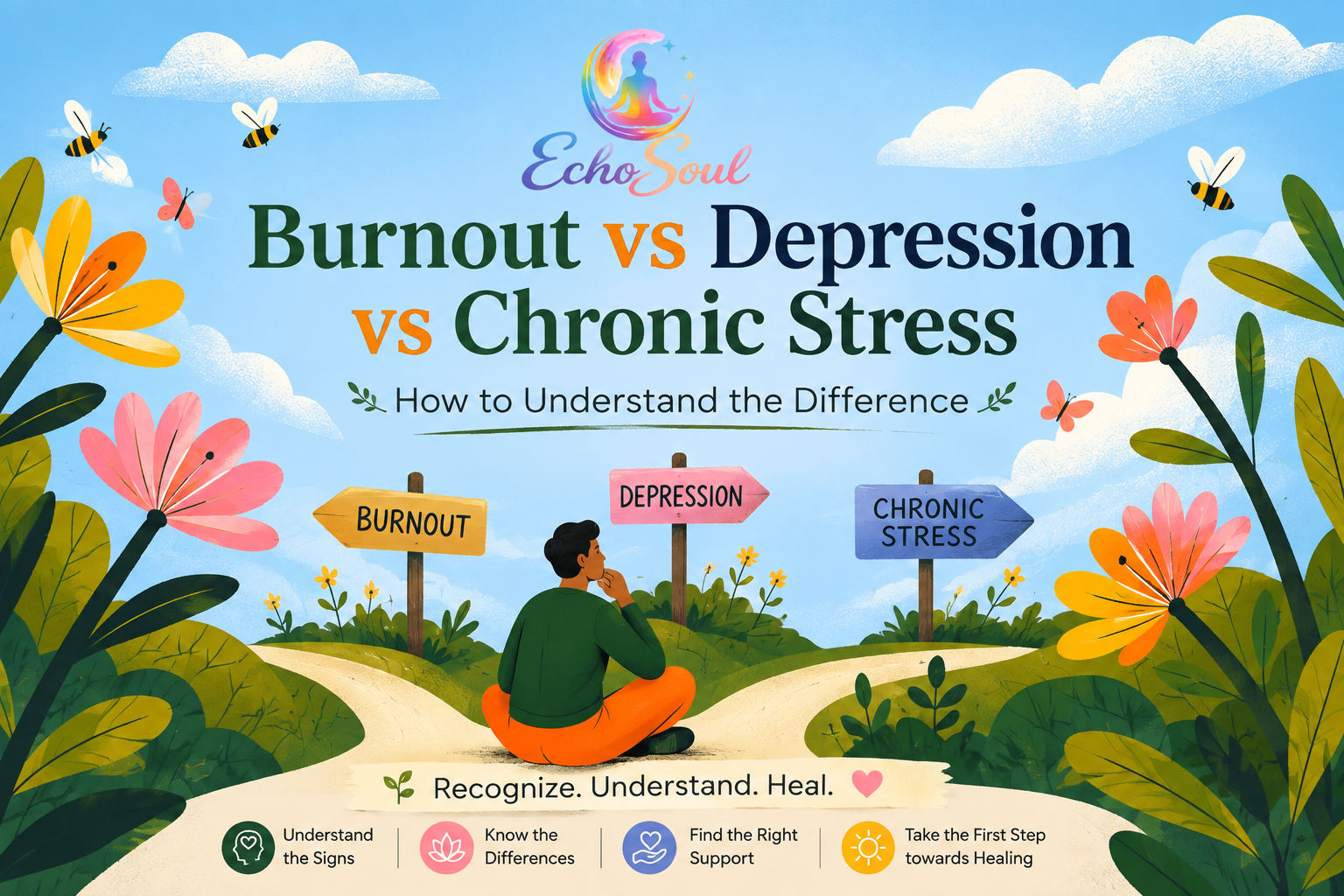


Burnout has emerged as one of the hottest topics when it comes to mental health issues in recent times. Stress due to long working hours, being constantly connected digitally, the burden of money and personal matters can exhaust an individual both physically and mentally. At the same time, many individuals tend to mix up burnout with depression or believe that chronic stress is a natural state of life.
It is important to know that while these disorders may have some common signs, they are different. The distinction is crucial for treatment because a course of action depends on which disorder an individual suffers from. Emotional exhaustion, overwhelming feeling or disconnection from daily activities are some of the reasons why seeking counseling services will be helpful for an individual.
Definition of Burnout
Burnout refers to a condition where an individual feels emotionally, physically, and mentally drained as a result of continuous exposure to stress especially at the workplace. Burnout usually develops gradually as opposed to developing suddenly. People suffering from burnout usually feel emotionally exhausted, demotivated, and detached from work.
Unlike ordinary tiredness, burnout does not clear up easily. This is because many people keep pushing themselves even when they are feeling tired thinking that all they require is to work even harder.
Some common symptoms of burnout include:
- Continuous feelings of tiredness even after adequate rest
- Demotivation and reduced productivity
- Detachment from work
- Increased irritability
- Trouble focusing
- Emotional detachment
Counseling services could prove effective for people suffering from burnout in order to detect any unhealthy work practices at their early stages.
What is Chronic Stress?
Stress is your natural response to challenges or demands. Small amounts of stress can be positive. If the body stays in this state of stress for weeks or even months, it becomes chronic stress.
When a person experiences chronic stress, they stay engaged in what they’re doing and try to deal with the situation, but their body still stays on alert.
Chronic stress can cause the following symptoms:
- Headaches
- Tight muscles
- Sleep issues
- Thoughts racing
- Digestive problems
- Overwhelmed feeling
In contrast to burnout, people who experience chronic stress think that once they finish just one more job, they’ll finally be happy. But that’s never the case.
Professional counseling services can teach a person how to cope with their stress before it results in burnout or even leads to an anxiety disorder.
What is Depression?
Depression is a medical condition that affects a person mentally and physically. While burnout is usually connected to the person’s working conditions or caretaking activities, depression affects all spheres of a person’s life.
An individual suffering from depression might find that he or she has lost interest in enjoyable activities, experiences a persistent state of sadness, and feels helpless and hopeless. It persists despite the reduction in external sources of stress.
Some symptoms of the condition include:
- Persistent state of sadness
- Disinterest in favorite pastimes
- Appetite alterations
- Sleep issues
- Feelings of guilt or lack of self-respect
- Decreased energy levels
- Making decisions becomes difficult
Individuals experiencing these symptoms should consider counseling services for depression and anxiety.
Comparison: Burnout, Depression, and Chronic Stress
Although the conditions are similar, there are some crucial distinctions.
Firstly, burnout is associated with long-term job-related or caregiving stress and resolves itself if the cause of the stress is changed.
Secondly, individuals experiencing chronic stress constantly feel pressured and worried, yet they have a drive to resolve their issues.
Depression impacts all spheres of an individual’s life (relationships, leisure time, sleep, appetite, self-respect) independent of work situation.
That is why the proper diagnosis is important. Professional counseling services could help to distinguish the problem of an individual.
The Reasons Why People Often Confuse Them
Their symptoms might seem similar.
People suffering from burnout will experience lack of motivation.
People suffering from chronic stress will have trouble sleeping.
People suffering from depression will feel tired all the time.
As the symptoms of emotional exhaustion are present in all three of them, most people will try self-diagnosis using social media or online tests. Such information is useful but can never take place of professional assessment.
Professional therapists who offer counseling for depression and anxiety are able to evaluate the emotional, behavioral and environmental factors.
When to See a Professional?
You need to seek professional help when your symptoms:
- Are lasting more than two weeks
- Affect your performance at work
- Affect your relationships
- Make completing daily tasks hard
- Persist even when taking a break
- Are causing ongoing emotional distress
Getting counseling services is not a sign of weakness. This is rather an effort you are making towards your emotional health.
Early treatment helps prevent worsening of the symptoms.
What You Can Do Right Now
Though professional help plays an important role, there are other practices that help recover.
Firstly, find the main cause of your stress: work, money, caring responsibilities, relations, or expectations?
Make sure that you set boundaries of your working hours when it’s possible.
Always prioritize your sleep and do not compromise it for the sake of productivity.
Take small pauses throughout the day to lower the load from your brain.
Engage in activities that bring true happiness and not just a distraction.
Use mindful techniques, deep breathing, or light physical exercises to regulate the nervous system.
In case these steps fail to make an effect on your mental state, try to see a counselor who will help you overcome depression and anxiety together with specialized counseling services.
Recovery Is Individual
Getting better is not about becoming productive as quickly as possible. Getting better means getting back your emotional balance and resilience.
No matter whether you are burnt out, stressed out, or suffer from depression, you have nothing to be afraid of since it is possible to heal. At EchoSoul, we believe that everyone has an individual path of healing and we will assist you on your way through it. We will help you cope with what is going on and teach you some skills that can improve your emotional well-being. Should you feel sad, anxious or emotionally exhausted, we will give you our expert advice on counselling for depression and anxiety.
Differentiating between these conditions and acting on it is the first step on your way to better mental health.





Add Comment