







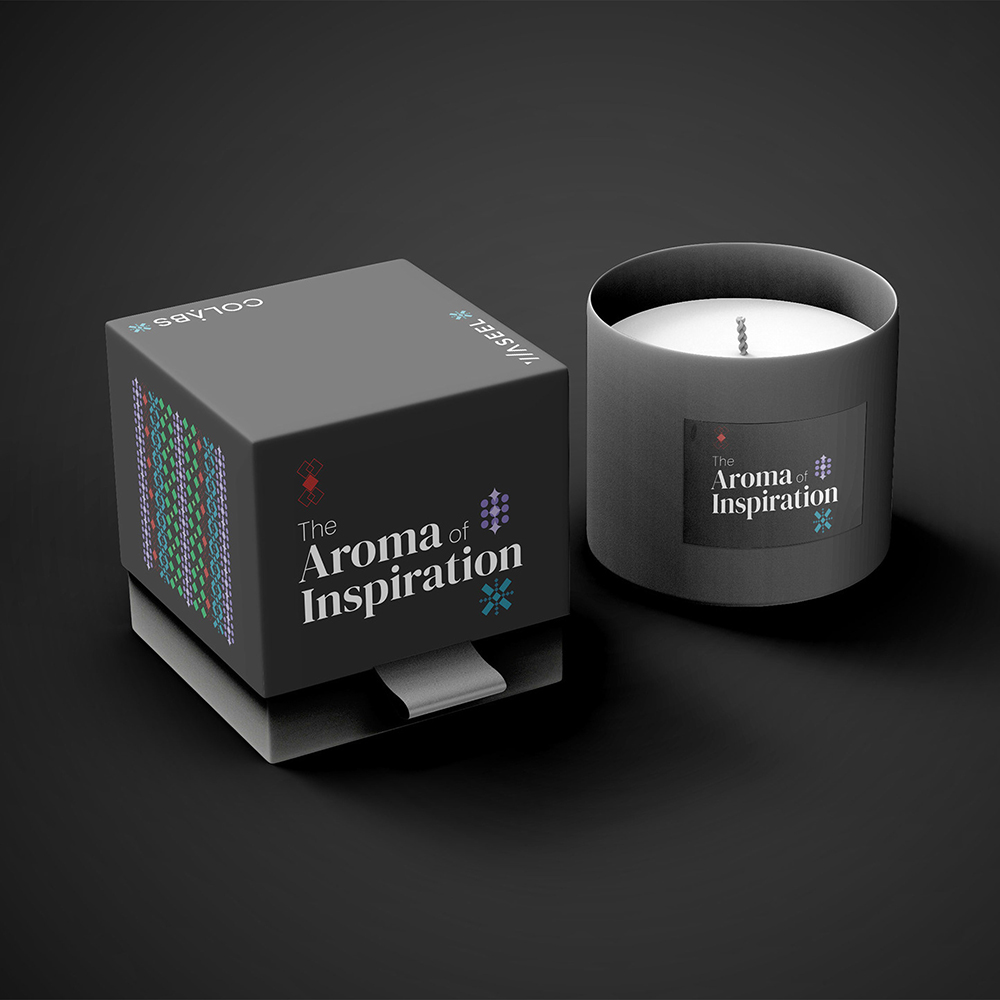


A few years ago, packaging was treated as an afterthought. You made the product, you found a box that fit, and you moved on to the next task on a long list. That mindset has quietly changed. Today, packaging is often one of the first things a customer notices about a brand, sometimes before they even know what's inside the box.
For small business owners and startups, this shift is worth paying attention to. You don't need a massive budget to make packaging and rigid boxes work in your favour. You need a clear understanding of what it's actually doing for your business.

Packaging Has Become Part of Brand Identity
Ask any customer to describe a brand they love, and there's a good chance they'll mention how it looks before they mention what it sells. Custom packaging plays a direct role in that impression. A well-designed box communicates who you are as a business long before a customer reads your product description or visits your website.
This matters especially for smaller brands competing against larger, more established names. A distinctive box can make a five-person startup feel just as credible on a shelf as a company with decades of history behind it.
First Impressions Happen Faster Than You'd Expect
Research on consumer behaviour consistently points to one thing: people form opinions quickly, often within seconds. Packaging is usually the first physical touchpoint a customer has with a product, whether it arrives at their doorstep or sits on a retail shelf.
A plain, generic box signals one thing. A thoughtfully designed one signals another. Custom product packaging gives a business the chance to control that first impression instead of leaving it to chance.
Colour, Typography, and Structure All Send a Message
Packaging design isn't just about looking nice. Every choice communicates something, whether intentional or not.
Colour influences mood and perception before a customer reads a single word. Muted, earthy tones tend to suggest sustainability or simplicity, while bold colours often signal energy or confidence.
Typography shapes how premium or approachable a brand feels. A clean, minimal font can read as modern and upscale, while a playful script might suit a brand aiming for warmth and personality.
Structure matters too. A sturdy, well-built box feels more valuable in hand than a flimsy one, regardless of what's inside. Small business owners often underestimate how much physical construction affects perceived quality.
How Packaging Shapes Buying Decisions
Packaging doesn't just look good; it actively influences whether someone buys. On a crowded shelf or a scrolling social feed, packaging is often the deciding factor between two similar products.
Consider two skincare brands selling nearly identical formulas. If one arrives in a plain, unbranded box and the other in packaging that reflects real thought and care, most customers will assume the second product is higher quality, even before trying it.
This isn't about tricking customers. It's about aligning the outside of the product with the value already built into it.
Consistency Builds Recognition Over Time
One mistake many small businesses make is treating packaging as a one-time design project rather than an ongoing brand asset. Consistent branded packaging, across colours, logo placement, and overall style, helps customers recognise a product instantly, even from a distance.
Think about how easily people spot a Tiffany blue box or an Apple product image without needing to see a logo up close. That level of recognition doesn't happen overnight, but it starts with consistency from day one, not after a business has already scaled.
Premium Packaging Without a Premium Budget
Small businesses often assume high-quality packaging design is out of reach financially. That's not entirely true. A few practical strategies help:
- Start with a single strong design element, like a signature colour or a distinctive logo treatment, rather than trying to do everything at once.
- Choose one or two finishing touches, such as a matte coating or a simple foil accent, instead of layering on multiple premium effects.
- Order in smaller batches while testing designs, then scale production once a design proves effective.
- Work with a packaging design that keeps structure simple but visually intentional, since complexity often adds cost without adding impact.
Premium doesn't have to mean expensive. It often just means deliberate.
Sustainable Packaging Is No Longer Optional
Consumer expectations around sustainable packaging have shifted significantly. Many customers now actively look for recyclable materials, reduced plastic use, or minimal packaging waste before making a purchase.
For small businesses, this presents an opportunity rather than a burden. Recyclable board, soy-based inks, and reduced material weight are increasingly accessible even at smaller order volumes. Businesses that build sustainability into their packaging early tend to avoid costly redesigns later, once it becomes a baseline expectation rather than a differentiator.
The Unboxing Experience Is Part of the Product
Online shopping has turned unboxing into its own moment. Customers frequently share the experience of opening a package on social media, which means packaging can generate visibility no advertisement could buy.
A satisfying unboxing experience doesn't require elaborate design. Small touches, a clean interior finish, a simple thank-you note, or thoughtful use of tissue paper can make a functional box feel like part of the overall product experience.
Common Packaging Mistakes Small Businesses Should Avoid
A few recurring mistakes tend to hold small businesses back:
- Prioritising looks over protection. A beautiful box that fails to protect the product creates more problems than it solves.
- Ignoring size accuracy. Oversized boxes waste money on shipping and materials while making products feel smaller inside.
- Inconsistent branding across packaging types. Mismatched designs across different product lines confuse customers and dilute recognition.
- Overcomplicating the design. Too many colours, fonts, or messages on one box often reduce clarity rather than add appeal.
- Skipping test runs. Ordering large quantities before testing a design on a small batch can lead to costly reprints.
Choosing the Right Packaging for Your Product
There's no universal answer for packaging, since the right choice depends heavily on the product itself. A few practical questions help narrow the decision:
- Does the product need extra protection during shipping, or is it mainly handled in-store?
- Will the box be part of a retail display, a direct-to-consumer shipment, or both?
- What's the realistic order volume right now, and how might that change over the next year?
Working with a supplier that offers custom packaging solutions and flexible order quantities allows a business to adjust its packaging investment as it grows, rather than overcommitting early or settling for something that doesn't fit the brand.
Final Thoughts
Packaging has moved well beyond its original function of simply holding a product together. It shapes first impressions, signals quality, and quietly builds brand recognition over time. For small businesses and startups, thoughtful packaging design doesn't require a massive budget; it requires intention.
Getting it right early can save both money and rework later, while giving a growing brand something larger competitors often take years to build: instant recognizability.
Frequently Asked Questions
1. What's the difference between custom packaging and standard packaging? Standard packaging uses pre-made sizes and generic designs, while custom packaging is built around a specific product's dimensions and a brand's visual identity.
2. Is custom packaging expensive for small businesses? Not necessarily. Starting with one or two strong design elements and ordering smaller batches keeps costs manageable while still improving product presentation.
3. How does packaging affect customer trust? Well-designed, sturdy packaging signals quality and attention to detail, which often makes customers more confident in the product itself, even before use.
4. What materials are considered sustainable for packaging? Recyclable cardboard, kraft board, and soy or water-based inks are common sustainable choices that are widely available even for smaller order volumes.
5. Does packaging really influence purchasing decisions? Yes. Packaging is often the first physical interaction a customer has with a product, and it shapes perception before the product is even used.
6. How can a small business keep packaging design consistent? Sticking to a defined color palette, logo placement, and typography style across every product line helps maintain recognisable, consistent branding over time.





Add Comment