











For decades, raising capital for high-value assets has largely depended on local financial institutions, regional investor networks, and traditional capital markets. Whether owning commercial real estate, renewable energy projects, infrastructure, commodities, or intellectual property, asset owners have often faced geographical limitations when seeking investors. Cross-border fundraising has traditionally involved complex regulations, multiple intermediaries, high transaction costs, and lengthy settlement processes.
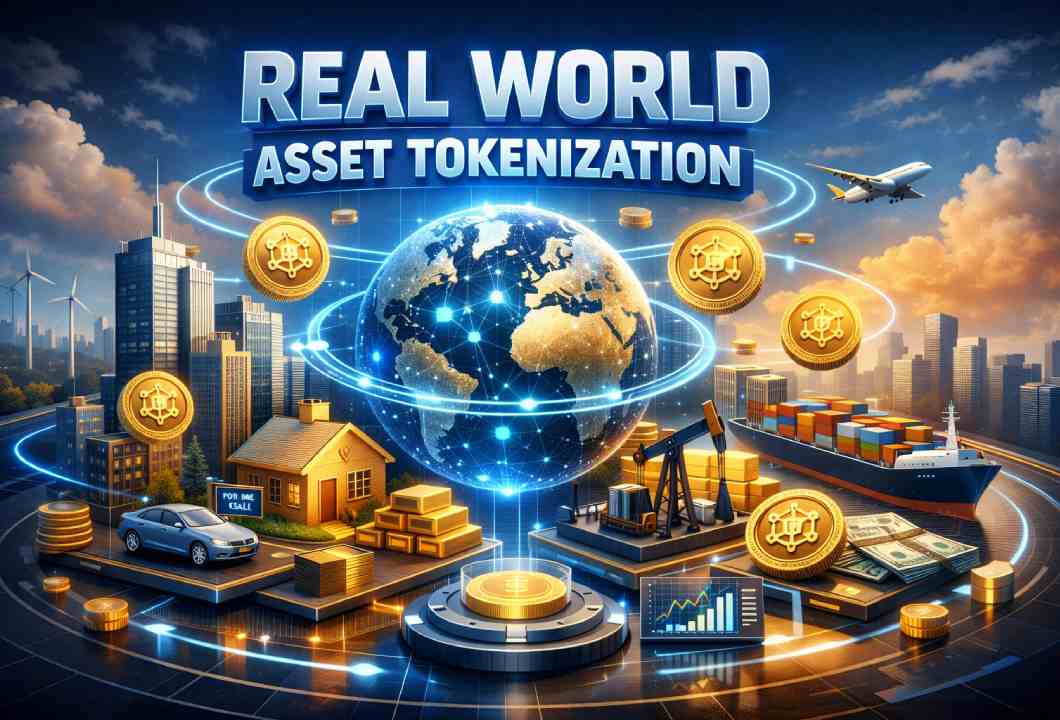
Today, Real-World Asset (RWA) tokenization is changing this model. By converting physical and financial assets into blockchain-based digital tokens, asset owners can make investment opportunities available to a broader audience while maintaining compliance with applicable regulations. Tokenization creates a digital representation of ownership or economic rights, making it easier to attract qualified investors from multiple regions through regulated digital platforms. This evolution is helping businesses expand beyond local markets and access global capital more efficiently.
What Is Asset Tokenization?
Asset tokenization is the process of converting ownership rights or economic interests in a real-world asset into blockchain-based digital tokens.
These assets may include:
- Commercial and residential real estate
- Renewable energy projects
- Infrastructure developments
- Manufacturing equipment
- Trade receivables
- Commodities
- Intellectual property
- Private equity investments
Each token represents a fractional ownership stake, revenue-sharing right, or other legally defined interest in the underlying asset. Smart contracts automate ownership records, compliance checks, distributions, and transfers, making investment management more efficient and transparent.
Why Traditional Capital Raising Has Geographic Limitations
Conventional fundraising often presents several challenges:
- Dependence on local investors
- Limited access to international capital
- High intermediary fees
- Long fundraising timelines
- Complex cross-border legal procedures
- Currency and settlement delays
- High minimum investment requirements
These barriers can restrict growth opportunities, especially for businesses seeking capital for large-scale projects.
How Asset Owners Can Reach Global Investors Through Tokenization
1. Fractional Ownership Makes Investments More Accessible
Many real-world assets require significant capital, making them accessible only to institutional or high-net-worth investors. Tokenization divides these assets into smaller digital units, allowing investors to participate with lower investment amounts.
Fractional ownership helps:
- Expand the investor base
- Lower investment thresholds
- Increase fundraising opportunities
- Improve portfolio diversification
This accessibility attracts investors who were previously excluded from high-value asset markets.
2. Access to a Worldwide Investor Network
Digital asset platforms enable qualified investors from multiple countries to discover and participate in tokenized investment opportunities, subject to local regulations. Instead of relying solely on regional financial institutions, asset owners can engage with:
- Institutional investors
- Family offices
- Venture funds
- Accredited investors
- Alternative investment firms
This significantly broadens fundraising potential.
3. Faster Cross-Border Transactions
Traditional international investments often involve:
- Multiple banks
- Currency conversions
- Clearing houses
- Custodians
- Settlement agents
Blockchain technology streamlines these processes by providing a shared digital ledger and programmable settlement mechanisms. This reduces settlement times while improving transaction efficiency.
4. Greater Transparency Builds Investor Confidence
International investors often require clear visibility into asset ownership, financial performance, and transaction history.
Blockchain technology provides:
- Immutable ownership records
- Transparent transaction history
- Real-time reporting
- Auditable investment data
This transparency helps build trust among investors who may be located in different jurisdictions.
5. Automated Compliance Through Smart Contracts
Cross-border investing requires compliance with regulations such as Know Your Customer (KYC), Anti-Money Laundering (AML), and securities laws. Modern tokenization platforms integrate compliance directly into smart contracts, enabling automated verification of investor eligibility and transfer restrictions. This reduces administrative complexity while supporting regulatory requirements.
6. Lower Fundraising Costs
Traditional fundraising often involves numerous intermediaries, each adding costs and processing time.
Tokenization automates many administrative functions, including:
- Investor onboarding
- Ownership tracking
- Revenue distribution
- Corporate actions
- Record management
Reducing manual processes can help lower operational expenses associated with capital raising.
7. Improved Liquidity for Investors
Investors are often hesitant to commit capital to assets that are difficult to sell. Tokenized assets can potentially be traded on regulated digital marketplaces, providing greater flexibility compared to many traditional private investments. While liquidity depends on market participation and applicable regulations, tokenization introduces new opportunities for secondary market activity.
8. Diversified Sources of Capital
Instead of relying on a single bank or investment fund, asset owners can attract capital from multiple investor groups across different regions. A diversified funding strategy helps reduce financing risk while increasing resilience during changing market conditions.
9. Continuous Investor Engagement
Blockchain-based platforms allow asset owners to provide investors with:
- Performance updates
- Distribution records
- Governance notifications
- Financial reports
This creates a more transparent and engaging investment experience compared to traditional reporting systems.
10. New Opportunities for Alternative Assets
Tokenization expands global investment opportunities beyond traditional stocks and bonds.
Asset owners can attract investors to:
- Commercial properties
- Solar farms
- Infrastructure projects
- Precious metals
- Agricultural assets
- Intellectual property
- Trade finance assets
This diversification supports broader participation in alternative investment markets.
Industry Examples
Real Estate
Property developers can tokenize commercial buildings, apartment complexes, and mixed-use developments, allowing qualified investors from different regions to invest through fractional ownership.
Benefits
- Global fundraising
- Improved liquidity
- Broader investor participation
- Faster capital formation
Renewable Energy
Solar and wind energy projects often require substantial upfront investment. Tokenization enables project developers to attract international investors interested in sustainable infrastructure.
Benefits
- Project financing
- ESG-focused investment opportunities
- Revenue-sharing models
Infrastructure
Governments and private developers can tokenize:
- Highways
- Airports
- Ports
- Utilities
- Data centers
Benefits
- Long-term infrastructure funding
- Expanded investor access
- Reduced funding concentration
Trade Finance
Businesses can tokenize invoices, receivables, and purchase orders to attract investors interested in short-term asset-backed financing.
Benefits
- Faster access to working capital
- Improved cash flow
- Reduced financing delays
Manufacturing
Manufacturers can tokenize factories, machinery, and industrial equipment to raise capital while continuing to operate these assets.
Benefits
- Equipment financing
- Working capital optimization
- Asset monetization
Key Benefits for Asset Owners
Asset tokenization provides several strategic advantages:
- Access to global investment opportunities
- Improved liquidity for traditionally illiquid assets
- Fractional ownership models
- Faster fundraising
- Reduced administrative costs
- Transparent ownership records
- Automated revenue distribution
- Enhanced investor engagement
- Diversified funding sources
- Greater financial flexibility
Challenges to Consider
Before launching a tokenized asset offering, businesses should address:
- Securities regulations in target markets
- Legal ownership structures
- Asset valuation methodologies
- Smart contract security
- Investor protection requirements
- Tax implications
- Secondary market availability
- Integration with existing financial systems
Careful planning and collaboration with experienced legal, financial, and blockchain professionals are essential for a compliant and successful tokenization strategy.
Future Outlook
The future of cross-border investing is becoming increasingly digital. As blockchain infrastructure matures and regulatory frameworks evolve, tokenized assets are expected to become a mainstream investment vehicle for both institutional and qualified retail investors where permitted.
Advances in digital identity, blockchain interoperability, AI-powered due diligence, and programmable compliance will further simplify international investment. Asset owners who adopt tokenization early will be well positioned to attract diverse sources of capital, strengthen investor relationships, and compete in a more connected global financial ecosystem.
Conclusion
Asset tokenization is transforming how asset owners connect with investors beyond geographical boundaries. By digitizing real-world assets into blockchain-based tokens, businesses can expand their investor reach, improve liquidity, lower fundraising costs, and streamline cross-border investment processes.
Although regulatory and operational challenges remain, the long-term benefits are substantial. As digital asset markets continue to evolve, tokenization offers asset owners a practical path to accessing global capital while creating more transparent, efficient, and inclusive investment opportunities.





Add Comment