











Choosing the right blank apparel is one of the most important decisions for anyone involved in custom printing. Whether you run a print shop, operate a clothing brand, sell promotional merchandise, or organize corporate events, the quality of the blank garment has a direct impact on the finished product. Even the best artwork and most advanced printing equipment cannot compensate for a poor-quality shirt. Fabric composition, construction, durability, and surface texture all influence how well a design looks immediately after printing and how it performs after repeated washing. For these reasons, selecting the right garment is just as important as selecting the right printing method.
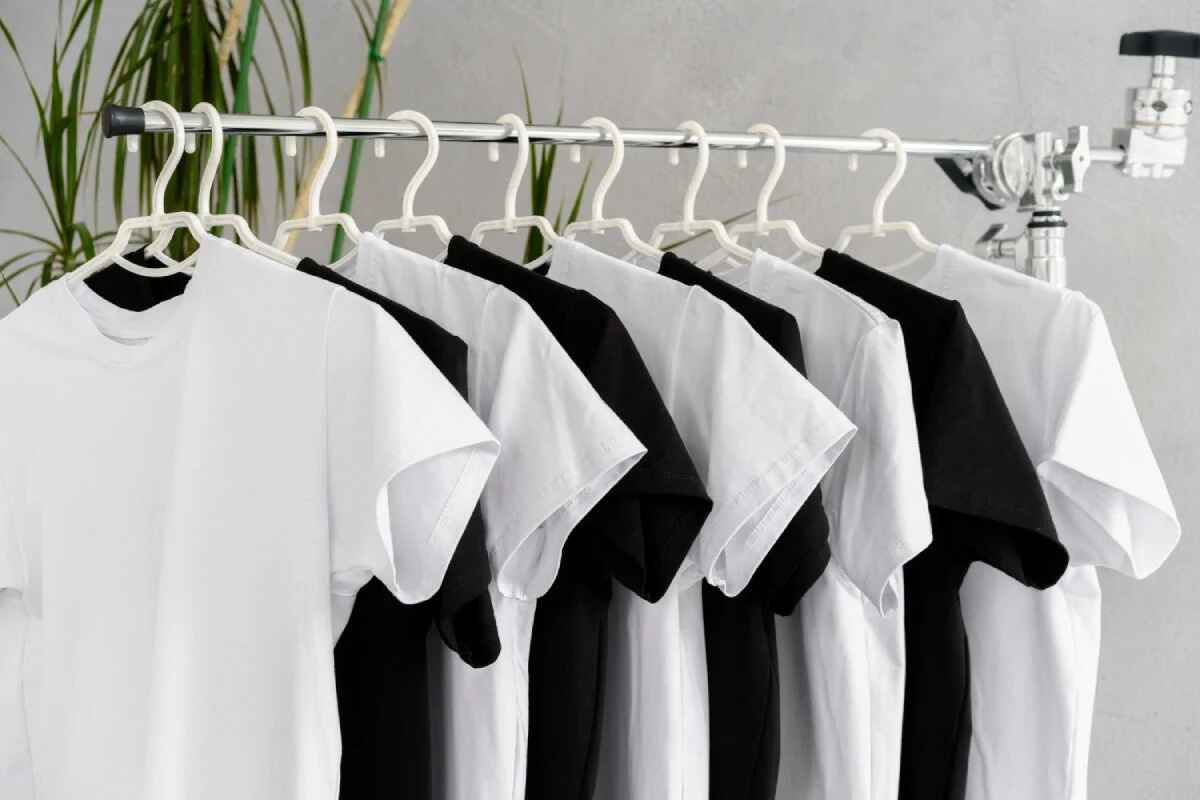
Among the many blank apparel options available today, Gildan Dryblend T Shirts have become a popular choice for decorators across the United States and many international markets. Their balanced cotton and polyester blend offers the softness of natural fibers while incorporating the durability and moisture management benefits of polyester. Because of this versatility, these shirts are widely used for employee uniforms, promotional events, sports teams, schools, nonprofit organizations, retail brands, and custom merchandise businesses.
As printing technologies continue to evolve, many buyers ask whether Gildan DryBlend garments are suitable for modern decoration methods like Direct to Film printing in addition to traditional screen printing. The answer depends on understanding both the fabric and the strengths of each printing process. This guide explains how Gildan DryBlend performs with screen printing and DTF printing, what advantages it offers, and why it continues to be one of the most trusted blank garments for custom apparel in 2026.
Understanding Gildan DryBlend Fabric
Before evaluating print performance, it is important to understand the construction of Gildan DryBlend apparel. Unlike garments made entirely from cotton or polyester, DryBlend shirts use a carefully engineered cotton and polyester blend that balances comfort with performance.
The cotton component gives the fabric a soft, breathable feel that many consumers prefer for everyday wear. Polyester adds durability, improves wrinkle resistance, reduces shrinkage, and contributes to the shirt's moisture management properties. This combination creates a garment that performs well in both casual and professional settings while remaining affordable enough for large production runs.
The balanced fabric also provides a stable printing surface, which is one reason why apparel decorators frequently recommend Gildan Dryblend Shirts for businesses ordering custom uniforms or promotional apparel. Their construction supports several decoration methods while maintaining comfort for the end user.
Why Fabric Matters in Custom Printing
The success of any printed garment depends heavily on the fabric underneath the design. Different fibers react differently to ink, heat, pressure, and curing temperatures. Some fabrics absorb ink deeply, while others require specialized adhesives or transfer processes.
A garment must also remain stable during production. Excessive shrinkage, stretching, or fabric movement can negatively affect print alignment and consistency, particularly during large commercial orders.
Blended fabrics like Gildan DryBlend provide several practical advantages. Their balanced construction helps maintain garment shape while offering a relatively smooth printing surface suitable for multiple decoration techniques.
Print shops appreciate garments that deliver predictable, repeatable results because consistency improves production efficiency while reducing waste and customer returns.
Screen Printing on Gildan DryBlend
Screen printing remains one of the most widely used decoration methods in the apparel industry. It is especially popular for bulk orders because it delivers excellent durability, vibrant colors, and cost-effective production once screens have been prepared.
Gildan DryBlend performs very well with screen printing. The cotton content allows plastisol and water-based inks to adhere effectively, while the polyester contributes dimensional stability during the curing process.
Experienced printers often select appropriate ink systems and curing temperatures to accommodate blended fabrics. This helps prevent common issues such as dye migration while ensuring strong ink adhesion.
For company uniforms, event shirts, school apparel, promotional products, and branded merchandise, screen printing on DryBlend garments produces sharp graphics that withstand repeated laundering. Properly cured prints maintain color vibrancy and resist cracking over time.
Because of this reliability, many commercial printers consider DryBlend one of their preferred garments for medium and high-volume screen printing projects.
Is Gildan DryBlend Good for DTF Printing?
Direct to Film printing has experienced remarkable growth over the past several years because of its flexibility and ability to reproduce highly detailed artwork. Unlike traditional screen printing, DTF transfers are printed onto a special film before being applied to garments using heat and pressure.
One of the strengths of DTF technology is its compatibility with multiple fabric types, including cotton, polyester, and blended garments. This makes Gildan DryBlend particularly well suited for the process.
The blended fabric provides a stable surface for DTF transfers, allowing detailed graphics, gradients, and vibrant colors to adhere effectively when proper production techniques are followed. Small lettering, complex illustrations, and multicolor artwork reproduce exceptionally well using modern DTF systems.
For print shops handling short production runs, personalized apparel, or print-on-demand orders, DTF printing on DryBlend shirts offers excellent flexibility without requiring the setup associated with traditional screen printing.
Screen Printing vs DTF on DryBlend Shirts
Both decoration methods perform well on DryBlend garments, although each offers distinct advantages depending on the project.
Screen printing remains the preferred choice for large production runs where the same design is printed on hundreds or thousands of garments. Once production begins, screen printing delivers exceptional efficiency while producing durable, vibrant graphics.
DTF printing excels when handling smaller orders, highly detailed artwork, variable designs, or personalized garments. Because each transfer is digitally produced, printers can easily accommodate names, numbers, or individual customizations without creating separate screens.
Businesses selecting Gildan Dryblend T Shirts should choose the printing method based primarily on order size, artwork complexity, production schedule, and budget rather than concerns about garment compatibility.
Fortunately, DryBlend supports both technologies successfully.
Durability After Repeated Washing
Long-term durability is one of the most important considerations for custom apparel. Customers expect printed garments to retain both their appearance and structural integrity after numerous wash cycles.
Gildan DryBlend's cotton and polyester blend contributes positively to garment longevity. Polyester improves resistance to shrinkage while helping the shirt maintain its original shape. Cotton provides everyday comfort without sacrificing durability.
Properly produced screen prints remain highly durable on DryBlend garments, while professionally applied DTF transfers also provide excellent wash resistance when correct adhesives, temperatures, and curing procedures are used.
Businesses purchasing uniforms or promotional apparel appreciate garments that continue representing their brand long after initial distribution.
Why Businesses Choose Gildan DryBlend
Commercial buyers often require apparel capable of serving multiple purposes simultaneously. Uniforms must remain comfortable throughout long workdays while presenting a professional appearance. Promotional garments should encourage recipients to wear them repeatedly. Retail merchandise must satisfy customers who expect both quality and value.
Gildan DryBlend successfully addresses these diverse requirements. The shirts combine affordability with dependable quality, making them suitable for schools, nonprofit organizations, sports leagues, construction companies, hospitality businesses, warehouses, retailers, healthcare support staff, and corporate events.
Their compatibility with screen printing and DTF printing further increases their versatility by allowing businesses to select the most appropriate decoration method for each project.
This flexibility explains why DryBlend continues attracting customers across numerous industries.
Choosing the Right Printing Method
Selecting between screen printing and DTF should begin with evaluating the specific needs of the project rather than assuming one method is universally superior.
Large production runs featuring simple artwork often benefit from screen printing because of its efficiency and excellent durability. Smaller orders requiring intricate graphics, photographic images, or personalized designs frequently favor DTF technology because of its flexibility.
Regardless of the chosen decoration method, garment quality remains essential. A dependable blank shirt contributes significantly to customer satisfaction and long-term garment performance.
DryBlend provides decorators with confidence that their finished products will perform consistently across a wide variety of applications.
The Future of Custom Apparel Printing
The custom apparel industry continues evolving as printing technology advances. Screen printing remains indispensable for large commercial production, while digital decoration methods like DTF continue expanding opportunities for customization and on-demand manufacturing.
Blank apparel manufacturers are responding by developing garments compatible with multiple decoration methods rather than optimizing for only one process.
Blended performance fabrics similar to DryBlend are expected to remain highly relevant because they combine comfort, durability, affordability, and print compatibility.
As customer expectations continue increasing, versatile garments capable of supporting diverse printing technologies will remain in strong demand.
Conclusions
For businesses, print shops, clothing brands, and promotional product companies, choosing the right blank apparel is essential for producing high-quality custom garments. In 2026, Gildan Dryblend T Shirts continue to stand out as one of the most dependable options because they successfully balance comfort, durability, affordability, and print performance. Their cotton and polyester blend provides a reliable foundation for both traditional and modern decoration techniques, making them suitable for a wide variety of commercial applications.
When evaluating screen printing, DryBlend garments deliver vibrant colors, excellent durability, and consistent production results, especially for medium and large orders. For DTF printing, the fabric supports detailed graphics, full-color artwork, and personalized designs with impressive clarity and long-lasting adhesion when proper production methods are followed. This versatility allows decorators to select the printing process that best matches the needs of each project without worrying about garment compatibility.
Whether you are creating branded uniforms, promotional merchandise, retail apparel, fundraising shirts, or custom event clothing, Gildan Dryblend Shirts offer dependable performance and excellent value. Their compatibility with both screen printing and DTF printing, combined with their comfortable fit and long-lasting construction, makes them one of the smartest blank apparel choices for custom printing businesses and organizations in 2026.




Add Comment