








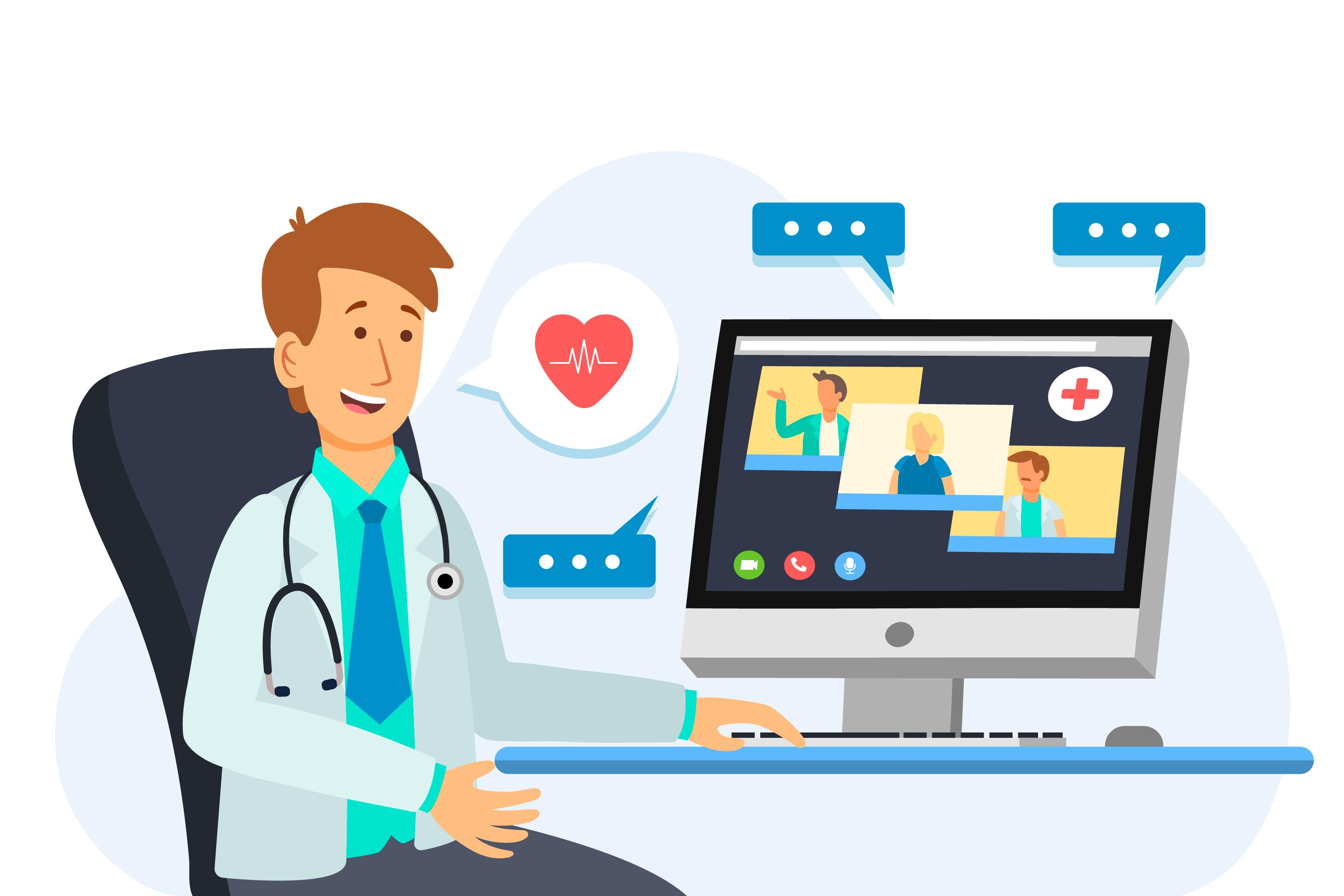
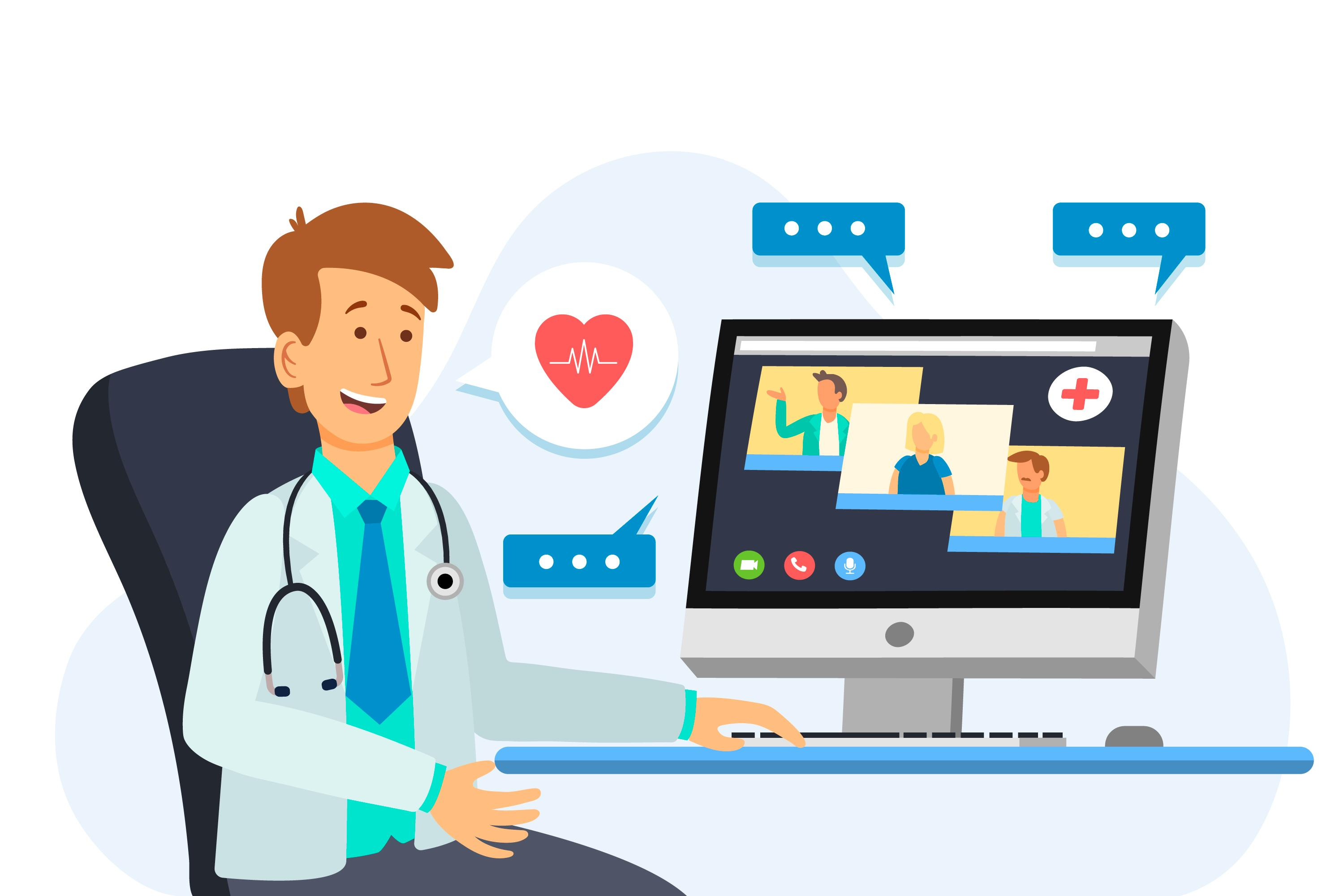

The transition from traditional paper records to complex digital platforms has completely revolutionized how medical offices operate across the United States. While Electronic Health Record systems were designed to streamline patient data, they have unfortunately become a massive source of daily frustration and administrative fatigue for doctors and nurses. Instead of focusing entirely on patient care, clinical staff spend countless hours clicking through endless menus, updating charts, and troubleshooting software glitches. Introducing a skilled Healthcare Virtual Assistant into your clinical workflow provides the ultimate solution for mastering these intricate digital platforms behind the scenes. By delegating technical data entry and chart management to a trained remote professional, medical practices can achieve seamless operational transitions and restore peace of mind.
The Evolution of Patient Records
Medical record-keeping has shifted from dusty paper folders in crowded filing cabinets to highly sophisticated, cloud-based software databases.
While this digital shift improves data accessibility, it also introduces a steep learning curve and heavy daily data entry burdens.
The Hidden Frustrations of EHR Systems
Navigating complex clinical software often interrupts the natural flow of conversation between medical providers and their patients.
Constant clicking, scrolling, and manual typing consume hours of valuable clinical time that should be spent on human care.
Why In-House Teams Face Digital Burnout
Local administrative staff are frequently overwhelmed by the sheer volume of daily chart updates, lab results, and patient messages.
Trying to manage both front-desk visitors and back-end software maintenance leads to severe workplace exhaustion and high error rates.
The Power of Dedicated Remote Support
Virtual professionals work in focused environments dedicated exclusively to managing and organizing digital health records with precision.
This undivided attention ensures that patient charts are always updated accurately without distracting on-site clinical workers.
Mastering Software Navigation and Shortcuts
Experienced remote assistants develop deep technical fluency across major medical software platforms used throughout the United States.
Their expert familiarity allows them to input data, retrieve records, and format medical notes with incredible speed and accuracy.
Navigating Complex Insurance Approvals
Securing timely treatments for patients often requires dealing with rigorous verification procedures and strict policy guidelines from insurers.
Integrating a skilled prior authorization specialist into your virtual team ensures that medical treatments are approved without avoidable delays.
Maintaining Strict Data Privacy Standards
Protecting sensitive medical records against digital breaches and maintaining absolute compliance with federal health laws is non-negotiable.
Trained remote assistants operate under rigid cybersecurity protocols, safeguarding confidential patient data with absolute care and diligence.
Streamlining Interdepartmental Communication
Clear digital communication between primary care doctors, specialists, and laboratories ensures that patient care remains coordinated and safe.
Virtual assistants manage referral notes and lab updates proactively, preventing critical clinical information from getting lost in translation.
Cutting Operational Costs and Overhead
Expanding an on-site team to handle heavy software data entry requires expensive office space, hardware, and employee benefit packages.
Virtual staffing offers unmatched financial flexibility, letting you scale your digital administrative support without straining your clinic's budget.
Preparing Students for Modern Practice Realities
For students in the United States entering the healthcare industry, mastering EHR workflows is a critical career survival skill.
Learning how virtual teams optimize digital systems prepares future healthcare leaders to build efficient, stress-free medical practices.





Add Comment