













Sports and physical activities keep the body strong and healthy, but they also increase the risk of injuries. Whether you're a professional athlete, a fitness enthusiast, or someone who enjoys recreational sports, injuries involving the knees, ankles, wrists, elbows, and shoulders are common. Proper support during training, competition, and recovery can make a significant difference in reducing pain and preventing further damage.
Sports injury braces are specially designed orthopedic supports that stabilize vulnerable joints, reduce excessive movement, and promote safe healing. They are widely used for injury prevention, rehabilitation after surgery, and returning to sports with greater confidence.
In this guide, we'll explore the different types of sports injury braces, their benefits, how they work, and tips for selecting the right brace for your needs.
What Are Sports Injury Braces?
Sports injury braces are supportive medical devices worn around joints or muscles to provide stability, compression, and protection during physical activity. Depending on the injury, they may limit harmful movements while allowing safe, functional motion.
Unlike simple compression sleeves, many sports braces include adjustable straps, hinges, rigid supports, or metal stays to offer targeted stabilization without completely restricting mobility.
These braces can be used both to prevent injuries in high-risk sports and to support recovery after an injury has occurred.
How Do Sports Injury Braces Work?
Sports injury braces help the body recover and perform safely in several ways:
- Stabilize injured joints
- Limit excessive or harmful movement
- Reduce stress on ligaments and tendons
- Improve joint alignment
- Provide compression to reduce swelling
- Enhance proprioception (body awareness)
- Boost confidence during movement
Together, these benefits allow athletes to continue rehabilitation while lowering the risk of additional injuries.
Common Types of Sports Injury Braces
Knee Braces
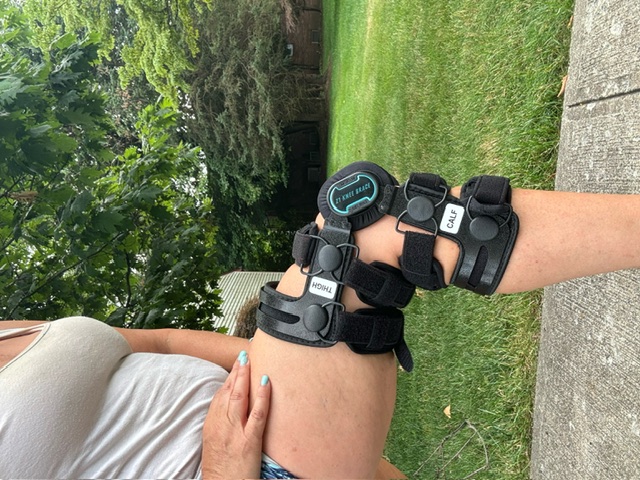
Knee braces are among the most commonly used sports injury braces. They help support ligaments, reduce pain, and improve knee stability.
They are commonly recommended for:
- ACL injuries
- MCL injuries
- Meniscus injuries
- Patellar instability
- Mild osteoarthritis
- Post-surgical rehabilitation
Some knee braces also feature hinged supports that allow controlled movement while protecting healing tissues.
Ankle Braces
Ankle sprains are one of the most frequent sports injuries.
Ankle braces help by:
- Preventing excessive twisting
- Improving ankle stability
- Reducing swelling
- Supporting injured ligaments
- Helping athletes return to activity safely
They are popular among basketball, volleyball, football, and running athletes.
Wrist Braces
Wrist braces stabilize the wrist while reducing strain during movement.
They are often used for:
- Wrist sprains
- Tendon inflammation
- Mild ligament injuries
- Recovery after fractures
- Overuse injuries from racket sports
Elbow Braces
Elbow braces provide compression and targeted support for tendon-related injuries.
Common conditions include:
- Tennis elbow
- Golfer's elbow
- Tendinitis
- Mild ligament strain
Compression around the forearm can reduce stress on the affected tendons during activity.
Shoulder Braces
Shoulder braces help stabilize one of the body's most mobile joints.
They may be recommended for:
- Shoulder instability
- Rotator cuff injuries
- Mild dislocations
- Post-operative support
- Recovery after muscle strains
Back Support Braces
Sports involving heavy lifting or repetitive movements may place significant stress on the lower back.
Back braces can:
- Improve posture
- Support spinal muscles
- Reduce muscle fatigue
- Assist during rehabilitation
Benefits of Sports Injury Braces
Injury Prevention
Braces provide additional stability during high-impact sports, reducing the likelihood of excessive joint movement that can lead to injury.
Faster Recovery
By protecting healing tissues, braces allow injured ligaments, tendons, and muscles to recover while minimizing unnecessary stress.
Pain Relief
Compression and stabilization often help reduce pain during daily activities and athletic participation.
Improved Joint Stability
Athletes recovering from injuries frequently experience better balance and control when wearing an appropriate brace.
Increased Confidence
Returning to sports after an injury can be mentally challenging. A supportive brace often helps athletes feel safer during movement.
Reduced Swelling
Compression braces improve circulation and may help control mild swelling after injuries or intense workouts.
Who Should Use Sports Injury Braces?
Sports injury braces may benefit:
- Professional athletes
- Amateur sports players
- Gym enthusiasts
- Runners
- Cyclists
- Football players
- Basketball players
- Volleyball players
- Tennis players
- Individuals recovering from orthopedic injuries
- People returning to sports after surgery
A healthcare professional can recommend the most suitable brace based on the specific injury and activity level.
Choosing the Right Sports Injury Brace
Selecting the correct brace depends on several factors.
Type of Injury
Different injuries require different levels of support. For example, ligament injuries often require hinged braces, while mild strains may only need compression support.
Level of Activity
Athletes participating in high-impact sports generally require stronger stabilization than individuals engaging in light exercise.
Comfort and Fit
A brace should fit securely without restricting blood circulation or causing discomfort.
Material
Look for breathable, moisture-wicking materials that remain comfortable during extended wear.
Adjustability
Adjustable straps allow users to customize compression and support throughout recovery.
Tips for Using Sports Injury Braces Effectively
For the best results:
- Follow your healthcare provider's recommendations.
- Wear the brace only as instructed.
- Ensure proper sizing and fit.
- Combine brace use with physiotherapy exercises.
- Strengthen surrounding muscles.
- Warm up before sports.
- Replace worn-out braces when support decreases.
- Avoid relying solely on the brace without proper rehabilitation.
Care and Maintenance
Proper maintenance helps preserve the brace's performance.
- Wash fabric components according to manufacturer instructions.
- Air dry after cleaning.
- Inspect straps regularly.
- Check hinges or rigid supports for damage.
- Store in a cool, dry place.
- Replace damaged components when necessary.
Keeping the brace clean also helps prevent skin irritation.
Possible Limitations
Although sports injury braces provide valuable support, they are not a substitute for professional medical treatment.
Some users may experience:
- Mild skin irritation
- Temporary discomfort
- Reduced flexibility with rigid braces
- Improper fit if incorrectly sized
- Overdependence without strengthening exercises
Proper fitting and medical guidance help minimize these issues.
Frequently Asked Questions
Can sports injury braces prevent injuries?
They can reduce the risk of certain injuries by improving joint stability, but they cannot completely eliminate injury risk.
Can I wear a sports brace during exercise?
Yes. Many sports braces are specifically designed for physical activity while allowing safe movement.
Do sports injury braces weaken muscles?
No. However, relying on a brace without performing strengthening exercises may delay full rehabilitation.
Are sports injury braces suitable for all sports?
Different braces are designed for different activities. The ideal choice depends on the sport, injury type, and level of support required.
Conclusion
Sports injury braces play an important role in protecting joints, supporting rehabilitation, and helping athletes return to physical activity safely. Whether you're recovering from a ligament injury, managing chronic joint instability, or looking to reduce your risk of future injuries, the right brace can provide stability, comfort, and confidence during movement.
However, braces work best when combined with proper rehabilitation, strength training, stretching, and medical guidance. Choosing the correct brace for your specific injury and ensuring a proper fit can improve recovery outcomes while allowing you to stay active and perform at your best.





Add Comment