



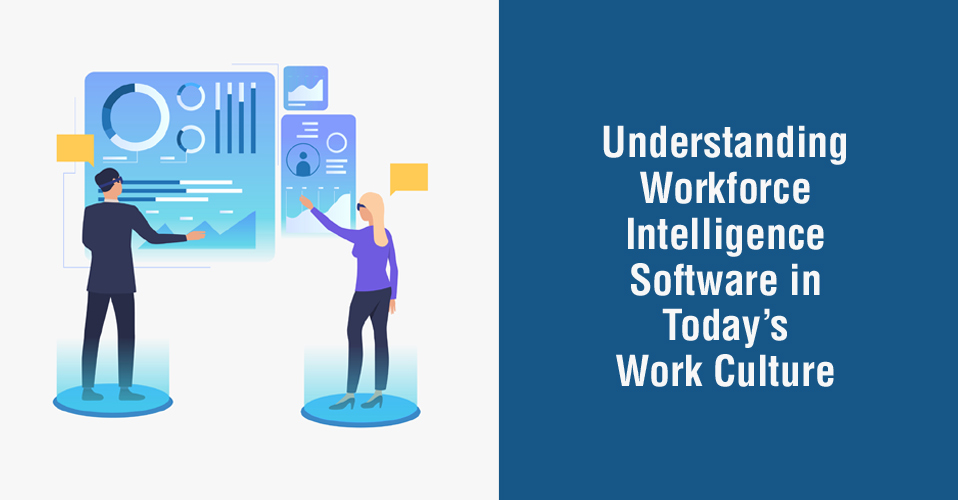






Workforce intelligence software has emerged as a significant component of the way contemporary organizations perceive and deal with their teams. Businesses no longer have to make assumptions or rely on manual reports to understand how work is actually done; they can now use data-driven insights to understand this.
This kind of software is aimed at the analysis of work patterns, time usage, and productivity trends to enable leaders make informed decisions without micromanaging employees.
Why Traditional Workforce Tracking Falls Short
Manual tracking systems such as spreadsheets, daily status emails or timesheets tend to generate more work than value. They are time consuming, subject to errors and tend to provide delayed information. Managers find themselves responding to issues when they occur instead of avoiding them. Workforce intelligence software fills this gap by automatically gathering and sorting work data in real time, providing teams with a better understanding of productivity without the need to follow up on it all the time.
Turning Work Data Into Actionable Insights
The true power of workforce intelligence software is that it can transform raw data of activity into valuable information. It does not only indicate the number of hours worked but also displays the trends, including the most productive hours, workload disparity, and time spent on important tasks. These lessons can assist managers to plan better, streamline operations, and assist employees more efficiently, particularly in the hybrid and remote workplace.
Supporting Employee Productivity Without Micromanagement
Employee trust is one of the frequent issues with tracking tools. When properly applied, workforce intelligence software is aimed at transparency and not surveillance. It assists employees to know how they use their time, what distracts them, and how to be more focused. Through objective data rather than regular check-ins, teams can develop a healthier work culture in which productivity gains are founded on fact rather than pressure
Enabling Smarter Decisions for Managers
Managers are able to make decisions that are supported by actual data and not guesses with workforce intelligence software. The software gives a clear picture of what is working and what is not, whether it is in identifying the skill gaps or redistributing the workloads. This results in enhanced resource planning, performance reviews and realistic goal setting among teams.
Adapting to Remote and Hybrid Work Models
With remote and hybrid work becoming the new reality, it is now more difficult to see what is going on day-to-day. The workforce intelligence software bridges this gap by providing consistent insights irrespective of the location of the employees. It assists organizations to stay in line, be accountable and productive without necessarily being physically present or following strict schedules.
Improving Efficiency Across Teams and Projects
In addition to individual productivity, workforce intelligence software assists teams to work more effectively as a team. It exposes workflow bottlenecks, underutilized resources, and enhances improved collaboration. In the long run, organizations are able to streamline processes, cut on unnecessary effort and make sure that teams are working on high impact work and not on repetitive work.
Time Champ as a Workforce Intelligence Solution
Time Champ is a workforce intelligence software that can be used to make productivity tracking easier and meaningful. It assists teams to know how time is used, work patterns and performance trends using automated tracking and clear reports. With workforce analytics and ease of use, Time Champ helps managers and employees to enhance efficiency without requiring additional administrative effort.
The Future of Workforce Intelligence Software
With the ever-changing workplaces, workforce intelligence software will be increasingly used to create smarter, more flexible organizations. Organizations that adopt data-driven workforce insights will be in a better position to enhance productivity, employee welfare, and evolve with the changing work styles. Instead of merely tracking work, the emphasis is changing to comprehending work- and that is where workforce intelligence really comes in.








Add Comment