













When we look at the changing horizons of modern cities, our eyes naturally drift toward glass skyscrapers, green roofs, and solar panels. Yet, the real engine of change in contemporary architecture is buried completely out of sight. Deep inside foundations and above ceiling grids runs a dense, hyper-complex web of industrial mechanics, high-capacity electrical corridors, and wastewater loops.
As urban spaces become more vertical, complex, and digital, managing these internal systems has evolved past old manual sketchpads. Building a sustainable future now requires an absolute digital twin strategy, verifying every bolt, cable tray, and pipe flow before a single shovel enters the construction site.
TRADITIONAL BLUEPRINTS PRECISE DIGITAL TWINS +---------------------------------------+ +---------------------------------------+ | Fragmented 2D Paper Layouts | | Unified 3D Master Data Stream | | | | | | | | Unseen Structural Collisions | | Algorithmic Spatial Verification | | | | | | | | On-Site Corrections & Material Waste | | Streamlined Off-Site Fabrication | +---------------------------------------+ +---------------------------------------+
The Rigid Laws of Fluid Management and Gravity Drainage
Among the many infrastructure systems fighting for space inside modern facilities, plumbing networks present the tightest geometric rules. While flexible ventilation ducts can tolerate small manual adjustments, fluid distribution lines are governed by unyielding physical laws. Wastewater pipelines and stormwater drainage networks rely entirely on continuous, downward gravity flow. To avoid blocks or continuous system backups, these pipes must maintain strict, exact downward angles:
+-------------------------------------------------------------+ | GRAVITY NETWORKS SLOPE TOLERANCES | +-------------------------------------------------------------+ | Pipes Under 2-Inch Diameter ===> 1/4 Inch Per Foot | | Pipes From 3-Inch to 6-Inch Scale ===> 1/8 Inch Per Foot | +-------------------------------------------------------------+
Because these slopes cannot be altered abruptly to dodge structural pillars, plumbing paths act as the definitive anchor point for early room layouts. This structural priority is why developers rely on advanced Plumbing BIM Services during the initial pre-construction phase.
By locking the exact geometric paths and elevation points of these networks into a unified virtual workspace, engineering teams avoid the destructive and costly necessity of core-drilling through finished concrete slabs to fix an uncoordinated error later. Moving from rough field sketches to computerized drafting highlights the massive, foundational benefits of CAD programs, which first allowed design teams to convert manual drafting processes into accurate, scalable technical files.
System Sovereignty and Multi-Trade Intersect Optimization
Once gravity networks secure their positions in the design model, the engineering focus shifts to managing crossovers with parallel utilities. High-performance structures contain an immense volume of overlapping systems, which can quickly create physical installation gridlock without careful data coordination.
To manage this spatial maze, engineering teams implement comprehensive MEP BIM Services to enforce an absolute hierarchy of spatial priority. This unified workflow reviews bulky air components—such as large commercial ventilation networks mapped out via Mechanical BIM Services—alongside parallel fluid channels and architectural walls.
Reviewing these systems within a shared data ecosystem allows teams to catch physical intersections and maintain required access clearances before installation teams arrive on site. These virtual reviews are driven by strict global parameters, and applying the best BIM standards across international projects ensures that engineering metadata remains clear, accessible, and structured across every subcontractor team.
+-------------------------------------------------------------+ | HIERARCHY OF URBAN SPACE UTILITIES | +-------------------------------------------------------------+ | 1. GRAVITY SYSTEMS ===> Zero slope flexibility | | 2. MASSIVE HVAC DUCTS ===> High rigid spatial footprints | | 3. POWER FEEDERS ===> Code clearance & heat venting | | 4. TELEMETRY CORES ===> Highest flexibility routes | +-------------------------------------------------------------+
Power Corridors and High-Voltage Infrastructure Safety
While environmental air ducts demand the largest volume in a ceiling grid, the building's electrical framework operates as its critical nervous system. As modern buildings transition toward automated grids, EV charging banks, and heavy machinery, engineering the electrical paths requires absolute mathematical precision. High-capacity circuits generate significant heat and produce localized electromagnetic fields that can corrupt nearby data lines if they are not isolated by distance or shielding.
To keep these frameworks safe, engineers rely on comprehensive Electrical BIM Services to model clear, code-compliant pathways for primary power routes. Because these main circuits feed directly into central control zones, establishing an optimal, secure electrical room design is essential for maintaining proper cooling buffers, access pathways, and emergency egress areas.
Furthermore, these virtual designs must keep up with changing safety guidelines. Aligning models with recent regulatory developments, such as the NEC 2026 explained updates, guarantees that physical installations fulfill the latest safety rules, preventing expensive field adjustments or commissioning delays.
The Future of Sustainable Digital Infrastructure
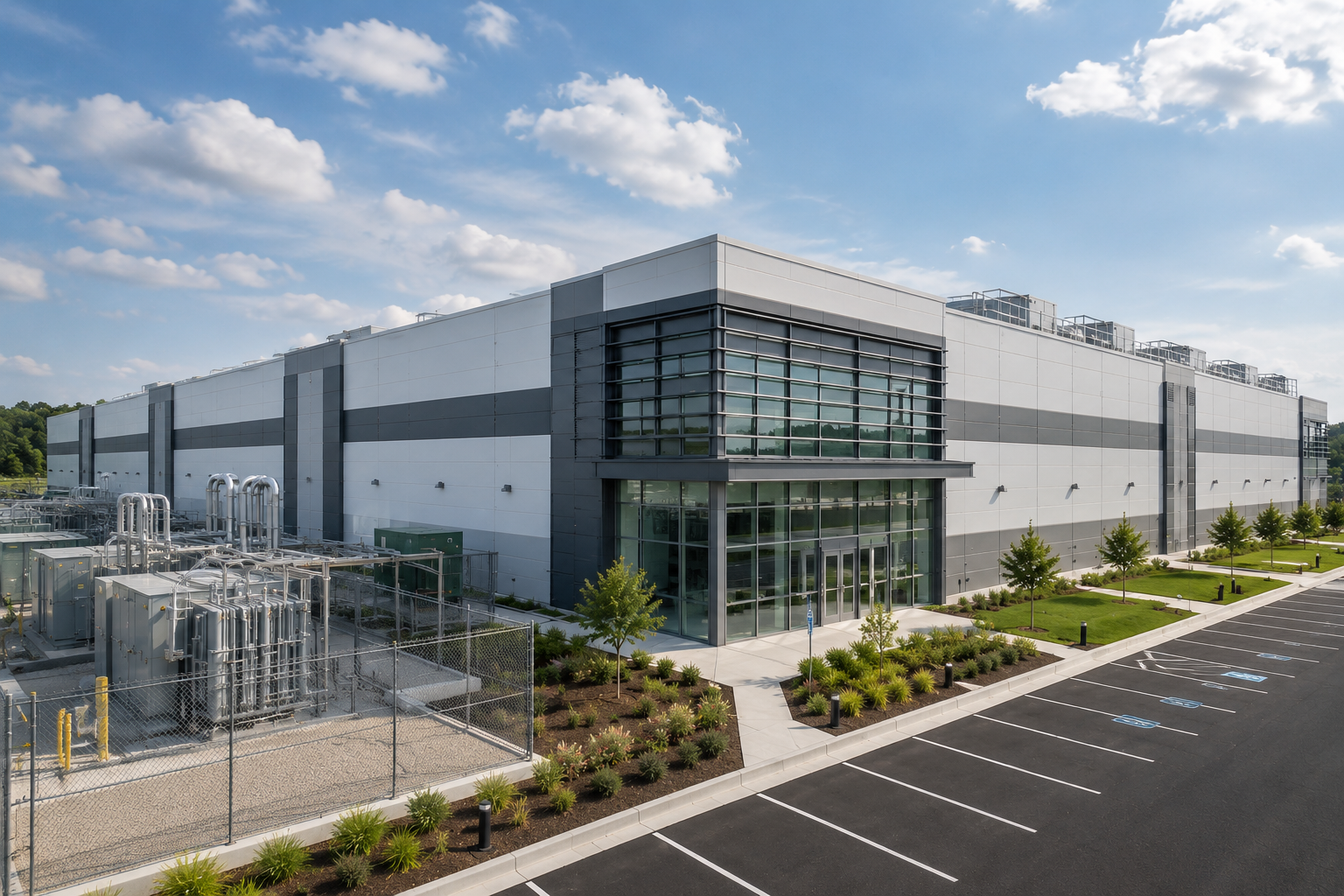
The high stakes of virtual planning multiply exponentially when dealing with large computational hubs. In our data-driven society, cloud services and AI processing require massive server facilities that operate continuously. These buildings generate immense heat and require massive power grids, making efficient layout strategies a vital priority for green development.
+-------------------------------------------------------------+ | THE LIFECYCLE ASSET OPTIMIZATION LOOP | +-------------------------------------------------------------+ | [Coordinated 3D File] ===> [Off-Site Prefab] ===> [FM Node] | | | | | | v v | | Zero Field Waste Scrap Predictive Facility Ops | +-------------------------------------------------------------+
To limit the carbon footprint of these structures, engineers utilize advanced modeling to create sustainable data centers. These designs use precise 3D prototyping to plan efficient liquid-cooling pathways, optimize airflow distribution, and reduce energy consumption.
Transitioning these detailed models directly into fabrication shops allows companies to manufacture large mechanical arrays off-site with zero material waste. By replacing field guesswork with precision data management, the modern design sector lowers development waste, controls lifecycle costs, and builds resilient urban spaces optimized for generations to come.








Add Comment