











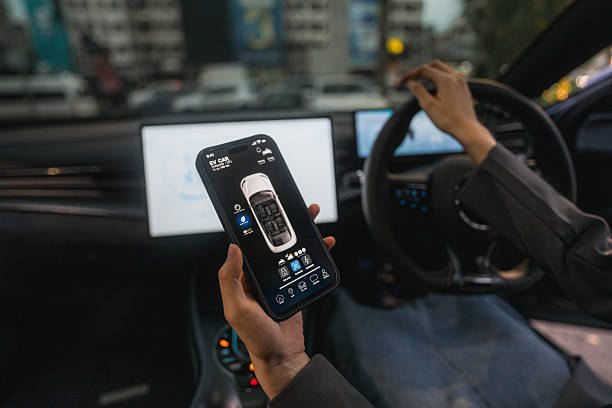


The increasing digitalization of vehicles is changing how automobiles are designed, connected, and operated across Europe. Modern vehicles incorporate numerous electronic control units, communication interfaces, connected services, advanced driver assistance systems, and software-based functions. These technologies provide greater functionality but also create additional points that require cybersecurity protection.
In-vehicle intrusion detection systems (IDS) are becoming an important part of automotive cybersecurity strategies by monitoring vehicle networks and identifying potentially malicious or abnormal activity. According to the latest analysis from Vyansa Intelligence, the Europe in-vehicle intrusion detection systems sector is projected to grow from USD 287 million in 2025 to USD 1.03 billion by 2032, representing a CAGR of 20.03% between 2026 and 2032.
Connected Vehicles Increase the Need for Intrusion Detection
The growing connectivity of vehicles has expanded the number of systems communicating within and outside the vehicle. Infotainment platforms, telematics, mobile applications, cloud services, navigation systems, and vehicle-to-everything technologies can create multiple communication pathways.
This connectivity also introduces cybersecurity considerations because unauthorized access to one system may potentially expose other connected components. In-vehicle intrusion detection systems provide monitoring capabilities that can help identify unusual communication patterns and potential security incidents.
The European Union Agency for Cybersecurity (ENISA) guidance on smart car security identifies connected and autonomous vehicles as complex environments where increased connectivity can introduce new cybersecurity risks. Its guidance emphasizes the need for security measures addressing threats across the connected vehicle ecosystem.
Automotive Software Is Expanding the Cybersecurity Surface
Modern vehicles increasingly depend on software to manage functions that were previously controlled primarily through mechanical or isolated electronic systems. Software now supports driver assistance, vehicle diagnostics, connectivity, infotainment, energy management, and other functions.
As software content increases, cybersecurity monitoring becomes more relevant throughout the vehicle lifecycle. An intrusion detection system can complement preventive security technologies by observing activity and identifying deviations from expected system behavior.
This monitoring function is particularly important because not every cyber threat can necessarily be prevented at the initial access point. Detection capabilities can provide an additional layer by helping identify suspicious activity after an attempted intrusion or abnormal event occurs.
European Regulation Strengthens Cybersecurity Requirements
Regulatory developments are an important factor shaping automotive cybersecurity in Europe. UN Regulation No. 155 on Cyber Security and Cyber Security Management Systems establishes requirements relating to vehicle cybersecurity and cybersecurity management systems. The regulation provides a framework covering areas such as cyber-risk management, vehicle protection, and monitoring and response to cybersecurity incidents.
The regulation became particularly relevant for the European automotive industry because it was made mandatory for new vehicle types in the European Union from July 2022 and for new vehicles produced from July 2024.
These requirements create a stronger framework for manufacturers to identify, manage, and monitor cybersecurity risks throughout vehicle development and operation. Intrusion detection capabilities can therefore form part of broader cybersecurity management approaches.
Software Updates Create Additional Security Considerations
Over-the-air software updates are another important development influencing vehicle cybersecurity. Manufacturers can use remote updates to introduce new functionality, correct software problems, and improve vehicle systems after production.
However, remote software management also requires mechanisms that protect the integrity and authenticity of updates. UN Regulation No. 156 establishes requirements related to software update management systems and secure software updates.
As vehicles receive more software updates throughout their operational lives, monitoring systems can become increasingly relevant. Intrusion detection technologies can help organizations observe vehicle network behavior and identify potential anomalies associated with compromised components or unauthorized activities.
Advanced Driver Assistance Systems Increase System Complexity
Advanced driver assistance systems (ADAS) are another factor increasing the complexity of vehicle electronic architectures. These systems may combine data from cameras, radar, sensors, control units, and software algorithms to support functions such as automated emergency braking, adaptive cruise control, lane assistance, and parking assistance.
The interaction among these components creates a need for secure communication and reliable system operation. Cybersecurity solutions must account for both information security and the potential safety implications of compromised vehicle functions.
UN Regulation No. 155 also recognizes the relationship between cybersecurity and vehicle safety by establishing a framework for managing cyber risks affecting road vehicles.
Artificial Intelligence Can Improve Threat Detection
The development of artificial intelligence and machine learning is creating new possibilities for automotive intrusion detection. Conventional detection systems may rely heavily on known signatures or predefined rules, while behavioral approaches can examine normal patterns of communication and identify deviations.
Machine learning can process large quantities of vehicle network data and potentially distinguish ordinary system behavior from unusual activity. This capability may become increasingly relevant as vehicles generate greater volumes of data through connected services and advanced electronic functions.
However, AI-based detection also presents challenges. Automotive systems require high reliability, and excessive false positives can reduce the usefulness of security alerts. Detection technologies therefore need to balance sensitivity with operational accuracy.
Vehicle Architecture Influences Detection Strategies
The shift toward domain controllers and centralized computing architectures is changing how vehicle networks are structured. Traditional vehicles may contain numerous individual ECUs, while newer architectures increasingly consolidate functions into higher-performance computing platforms.
This transition can influence how cybersecurity monitoring is deployed. Detection mechanisms may need to monitor communication between domains, centralized processors, gateways, and external interfaces rather than focusing solely on individual control units.
The architecture must also support rapid identification of suspicious behavior without creating unnecessary processing burdens. These considerations make system integration an important aspect of automotive cybersecurity development.
Challenges for European Automotive Manufacturers
Despite increasing cybersecurity requirements, implementing intrusion detection systems can involve technical and operational challenges. Vehicle manufacturers must balance security with system performance, cost, reliability, functional safety, and compatibility with existing architectures.
Legacy vehicle platforms can present additional difficulties because they may not have been designed for continuous cybersecurity monitoring. Integrating new detection capabilities into established systems may require changes to software, hardware, communication interfaces, and security management processes.
Another challenge involves managing the automotive supply chain. Vehicles contain components and software supplied by multiple organizations, making cybersecurity coordination necessary across manufacturers, suppliers, software developers, and service providers.
Supply Chain Security Gains Greater Attention
Cybersecurity risks increasingly extend beyond individual vehicle components to the broader technology supply chain. In February 2026, the European Commission reported that the EU ICT Supply Chain Security Toolbox was accompanied by a specific risk assessment covering connected and automated vehicles. The initiative addresses cybersecurity risks within ICT supply chains and considers measures such as supplier assessment and reducing exposure to high-risk dependencies.
For automotive manufacturers, this broader approach reinforces the importance of considering cybersecurity across hardware, software, suppliers, communication technologies, and cloud-based services.
Outlook for Vehicle Intrusion Detection in Europe
Future development is likely to involve closer integration between intrusion detection, cybersecurity management systems, secure software updates, behavioral analytics, and vehicle security operations. Regulatory requirements may continue to influence how manufacturers structure cybersecurity processes, while advances in connected and automated vehicle technologies may introduce new monitoring requirements.
Rather than functioning as an isolated security feature, in-vehicle intrusion detection is increasingly becoming part of a broader cybersecurity architecture. As European vehicles incorporate more software, connectivity, and automated functions, continuous monitoring and incident detection can remain important components of efforts to protect vehicle systems and maintain secure digital mobility.








Add Comment